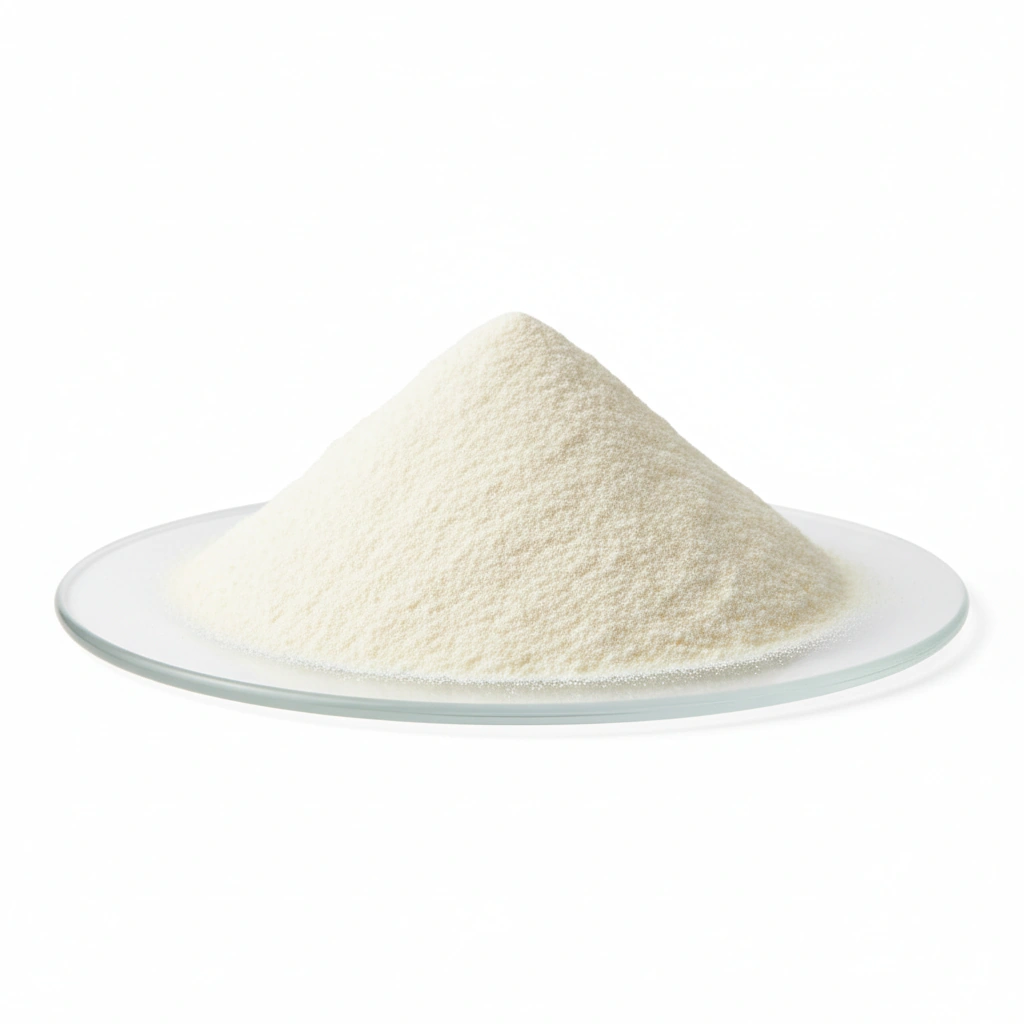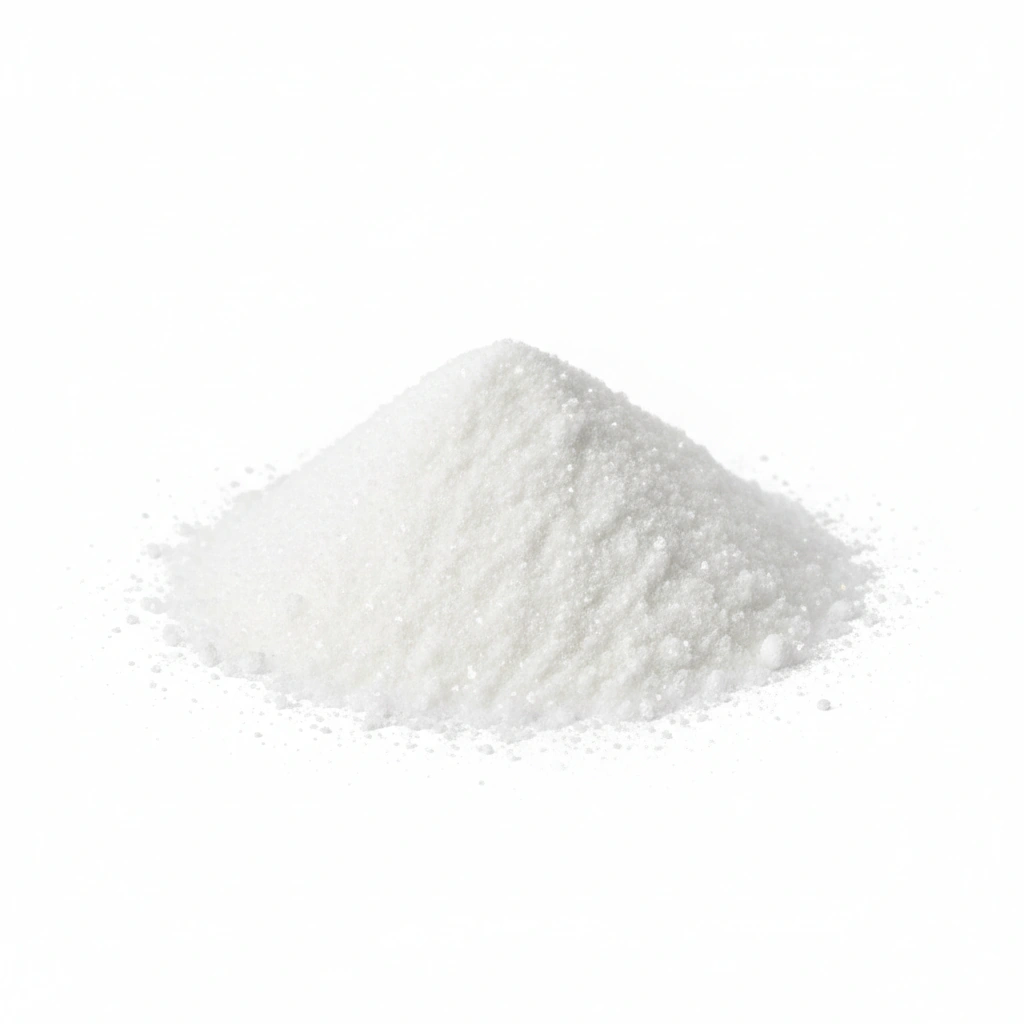
Note: This image is for visualization purposes only and represents the ingredient source or appearance. All ingredients are supplied in raw material form. This ingredient is available in Ingredients / Powders form.
DHEA (DEHYDROEPIANDROSTERONE)
DHEA (Dehydroepiandrosterone) is a key endogenous steroid hormone, serving as a precursor to vital sex hormones and playing a role in numerous physiological processes. Supplementation is often utilized to support hormonal balance, bone density, mood, and overall vitality, particularly as natural DHEA levels decline with age.
Key Benefits
- Supports healthy hormonal balance and endocrine function.
- Contributes to the maintenance of bone mineral density.
- May positively influence mood and cognitive function.
- Helps maintain vitality and overall well-being as DHEA levels decline with age.
Primary Uses
- Formulations for age management and anti-aging.
- Supplements targeting hormonal support.
- Products aimed at bone health and density.
- Mood and cognitive support formulations.
Active Compounds
- Dehydroepiandrosterone (DHEA)
Detailed Description
DHEA (Dehydroepiandrosterone) is an endogenous steroid hormone produced primarily by the adrenal glands, gonads, and brain. It is the most abundant circulating steroid hormone in humans and serves as a crucial precursor to other steroid hormones, including androgens and estrogens. Levels of DHEA naturally peak in early adulthood and decline progressively with age, a phenomenon often referred to as "adrenopause." Supplementation with exogenous DHEA aims to restore these levels, which some research suggests may mitigate various age-related physiological changes. DHEA is synthesized from cholesterol and plays a pivotal role in the steroidogenesis pathway, making it a foundational compound in endocrine health. The purity and specific crystalline structure of DHEA powder are critical for its bioavailability and efficacy in formulations, ensuring consistent physiological impact and predictable metabolic conversion.
DHEA's health benefits are largely attributed to its role as a prohormone and its direct effects on cellular receptors. Research indicates that DHEA can influence immune function, bone density, mood, and cognitive performance. For instance, studies have explored DHEA's potential to enhance bone mineral density, particularly in postmenopausal women, by influencing osteoblast activity and reducing bone resorption markers, as noted in research published in journals like Clinical Endocrinology (2000). Its neurosteroid properties suggest a significant role in central nervous system function, with some evidence linking DHEA levels to mood regulation and stress resilience; a meta-analysis in Psychoneuroendocrinology (2005) indicated DHEA supplementation might improve mood in specific populations. Furthermore, DHEA's conversion into androgens and estrogens allows it to exert pleiotropic effects across multiple physiological systems, contributing to its diverse range of potential benefits.
DHEA is commonly incorporated into dietary supplement formulations targeting age-related decline, hormonal balance, and overall vitality. It is often found in capsules or tablets, typically in dosages ranging from 25 mg to 100 mg, depending on the intended use and individual needs, and should always be used under professional guidance due to its hormonal nature. Quality considerations are paramount for DHEA, requiring rigorous testing for purity, potency, and the absence of contaminants. Reputable manufacturers ensure that DHEA raw material meets stringent pharmaceutical-grade standards, as outlined by pharmacopoeial monographs. Clinical research continues to explore DHEA's efficacy in various conditions, including its impact on body composition, sexual function, and metabolic parameters. A review in the Journal of Clinical Endocrinology & Metabolism (2001) highlighted its potential in managing adrenal insufficiency, underscoring the importance of informed supplementation.
You May Also Like
Discover more ingredients that complement your selection