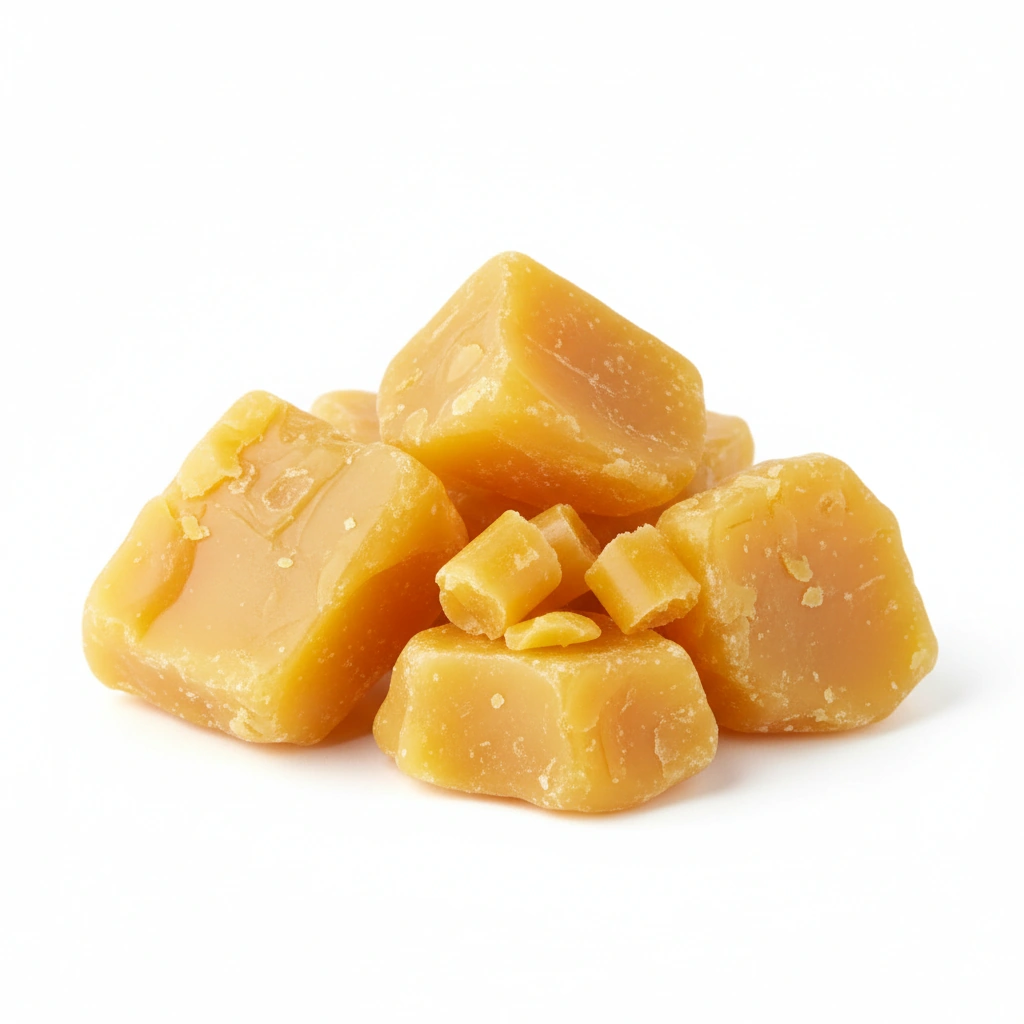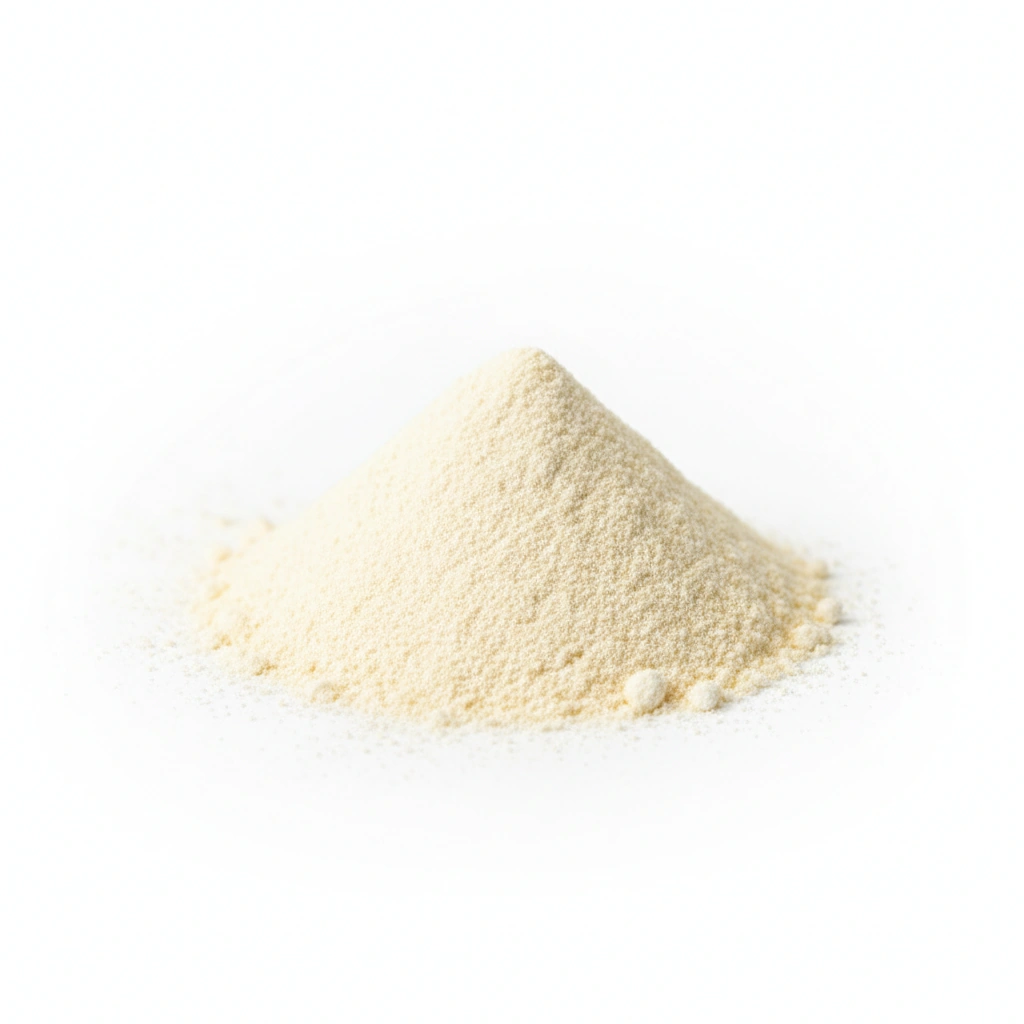
Note: This image is for visualization purposes only and represents the ingredient source or appearance. All ingredients are supplied in raw material form. This ingredient is available in Ingredients / Powders form.
GLUCOAMYLASE
Glucoamylase is a potent digestive enzyme derived from fungal sources, specifically designed to break down complex carbohydrates and starches into simple glucose units. It supports efficient nutrient absorption, aids in reducing digestive discomfort like bloating and gas, and is a vital component in comprehensive enzyme formulations for optimal carbohydrate metabolism and overall digestive health.
Key Benefits
- Enhances the complete digestion of complex carbohydrates and starches
- Supports efficient nutrient absorption, particularly glucose
- Helps reduce common digestive discomforts such as bloating and gas
- Optimizes carbohydrate metabolism for sustained energy
Primary Uses
- Digestive enzyme formulations
- Supplements for carbohydrate metabolism support
- Products for individuals with starch-heavy diets
- Combination formulas with other digestive enzymes
- Powdered blends for functional foods and beverages
Active Compounds
- Glucoamylase
Detailed Description
Glucoamylase, also known as amyloglucosidase, is a critical exoglycosidase enzyme belonging to the carbohydrase family. It is primarily sourced through controlled fermentation processes involving specific fungal strains, most commonly Aspergillus niger or Rhizopus oryzae. This powerful enzyme specializes in the catalytic hydrolysis of both alpha-1,4 and alpha-1,6 glycosidic linkages from the non-reducing ends of starch and various related oligosaccharides. Its unique action results in the sequential release of glucose units, effectively converting complex carbohydrates into readily absorbable simple sugars. Unlike alpha-amylase, which targets internal bonds, glucoamylase ensures a more complete saccharification, making it indispensable for thorough starch breakdown across diverse applications, including digestive health and industrial food processing. Its robust activity profile, maintaining efficacy across a broad spectrum of pH and temperature conditions, highlights its superior stability and performance.
In the realm of nutritional science and digestive health, glucoamylase plays a pivotal role by significantly enhancing the body's capacity to break down dietary starches into glucose. This mechanism directly supports more efficient nutrient absorption, thereby potentially alleviating common digestive discomforts such as bloating, gas, and feelings of heaviness often associated with incomplete carbohydrate digestion. When integrated into multi-enzyme formulations alongside other digestive aids like alpha-amylase, cellulase, and lactase, glucoamylase contributes to a holistic digestive support system, broadening the spectrum of macronutrient breakdown. Scientific literature, including studies published in journals such as "Digestive Diseases and Sciences," indicates that supplemental enzymes can optimize the utilization of dietary carbohydrates, particularly beneficial for individuals consuming high-starch diets or those with compromised endogenous enzyme activity. By facilitating complete starch hydrolysis, glucoamylase helps to modulate the glycemic response, ensuring a steady supply of glucose for sustained energy.
Glucoamylase is a highly valued ingredient in the formulation of dietary supplements, frequently incorporated into comprehensive digestive enzyme blends to provide robust carbohydrate digestive support. Its inclusion is particularly advantageous in products targeting individuals seeking to optimize their carbohydrate metabolism or manage the intake of starchy foods effectively. For formulators, key quality considerations include the enzyme's activity units, typically expressed in Fungal Amylase Units (AGU) or Glucoamylase Units (GAU), as well as its purity and demonstrated stability. Reputable manufacturers adhere to stringent testing protocols to verify these parameters, ensuring consistent efficacy and consumer safety. Extensive research, including various in vitro and in vivo studies, substantiates the enzyme's effectiveness in converting starches, highlighting its therapeutic potential beyond industrial applications. Its powdered form is commonly preferred for ease of encapsulation or blending into various supplement matrices, allowing for precise dosing and maintaining product integrity.
You May Also Like
Discover more ingredients that complement your selection