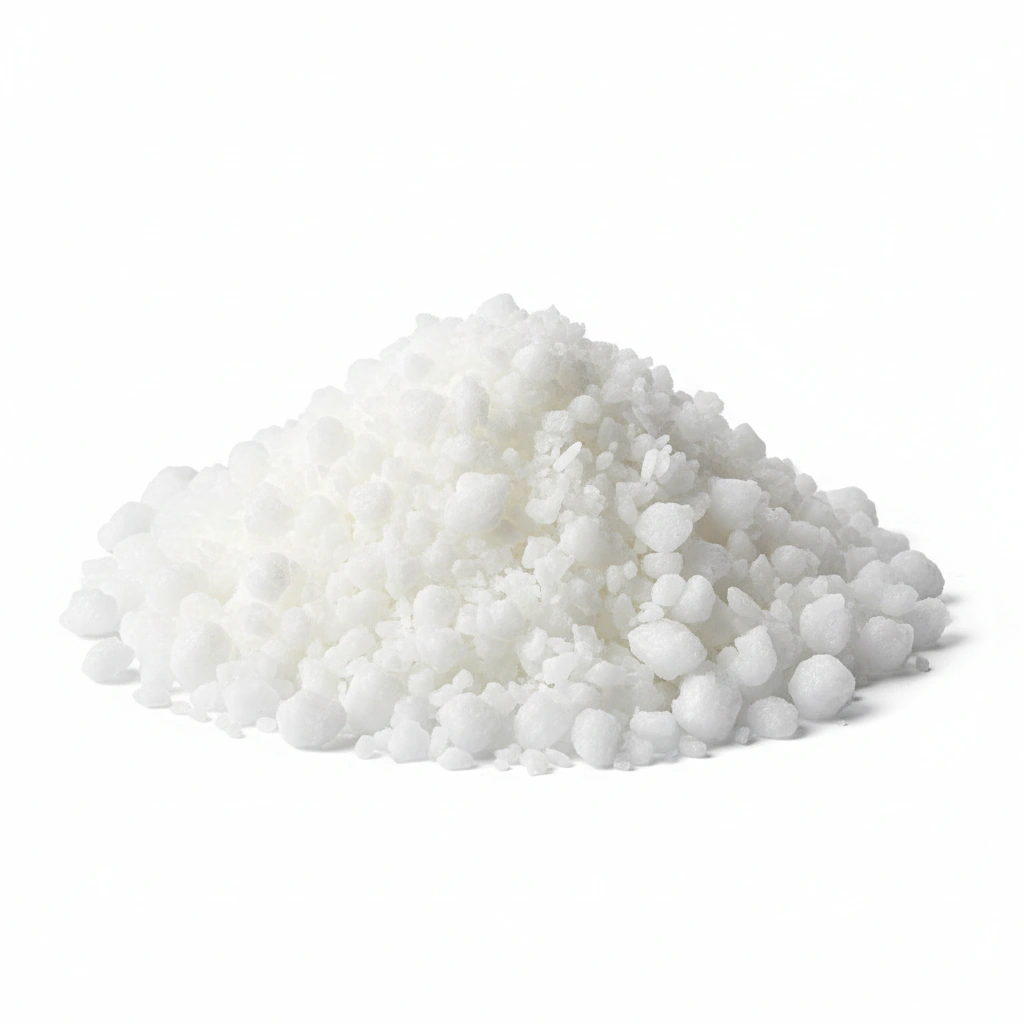
Note: This image is for visualization purposes only and represents the ingredient source or appearance. All ingredients are supplied in raw material form. This ingredient is available in Ingredients / Liquids form.
CETYL ALCOHOL
Cetyl alcohol is a saturated fatty alcohol derived from plant oils or synthetic sources, widely used as an emulsifier, thickener, and stabilizer. In supplement and pharmaceutical formulations, it primarily functions as an inert excipient, improving product consistency, texture, and stability in topical applications, or serving as a coating agent for oral dosage forms. Its high purity and established safety profile make it a reliable ingredient for enhancing product quality and user experience.
Key Benefits
- Enhances formulation stability and consistency
- Improves product texture and aesthetic appeal
- Acts as a safe and effective emulsifying agent
- Functions as a reliable excipient in various dosage forms
Primary Uses
- Emulsifier and stabilizer in topical creams and lotions
- Viscosity-increasing agent in cosmetic and pharmaceutical preparations
- Excipient in tablet coatings or capsule formulations
- Texture enhancer in semi-solid products
Active Compounds
- Cetyl Alcohol (1-hexadecanol)
Detailed Description
Cetyl alcohol, chemically known as 1-hexadecanol, is a saturated fatty alcohol commonly utilized across various industries, including pharmaceuticals and personal care. Sourced primarily from natural vegetable oils like coconut and palm oil through the reduction of fatty acids, or synthesized petrochemical pathways, it presents as a white, waxy solid at room temperature. Its molecular structure, featuring a 16-carbon chain, imparts unique physical and chemical properties, making it insoluble in water but readily soluble in organic solvents and oils. These characteristics underpin its widespread application as an opacifying agent, emulsifier, and thickening agent. In the context of ingredient science, its high purity and stability are paramount, ensuring consistent performance in diverse formulations. The careful selection of its origin, whether plant-derived or synthetic, is crucial for manufacturers aiming to meet specific product profiles and consumer preferences regarding natural sourcing.
While not directly consumed as a primary dietary supplement for its own physiological benefits, cetyl alcohol plays a critical functional role in formulation science, particularly in topical applications and as an excipient in oral dosage forms. Its mechanism of action in such contexts is primarily physical: it helps to stabilize emulsions, prevent oil and water separation, and enhance the texture and consistency of creams and lotions, thereby improving product aesthetics and delivery. When present in oral supplements, typically in minute quantities within capsule coatings or as a binding agent, it is generally considered inert. Research on its metabolic fate indicates that, if ingested, it is metabolized similarly to other dietary fatty acids; however, it does not contribute significant nutritional value. The safety profile of cetyl alcohol has been extensively studied, with regulatory bodies like the FDA recognizing it as generally safe for its approved uses, emphasizing its utility as a non-toxic, non-irritating ingredient for external applications and a safe excipient in internal preparations.
In supplement formulations, cetyl alcohol's utility is predominantly as a pharmaceutical excipient or a component in topical delivery systems. For oral supplements, it may serve as a glidant or anti-caking agent in powders, or as a film-forming component in tablet and capsule coatings to improve stability and swallowability. Its inclusion ensures product integrity and enhances the user experience without impacting the bioavailability or efficacy of active ingredients. Quality control standards, such as those defined by the United States Pharmacopeia (USP) or National Formulary (NF), are essential to guarantee purity, absence of harmful impurities, and consistent physical properties for manufacturers. Scientific literature primarily focuses on its dermatological safety, emulsifying capabilities, and role in drug delivery systems, confirming its effectiveness in creating stable, well-textured products. This robust evidence base supports its continued use as a reliable and functional ingredient in various health-related product categories.
You May Also Like
Discover more ingredients that complement your selection