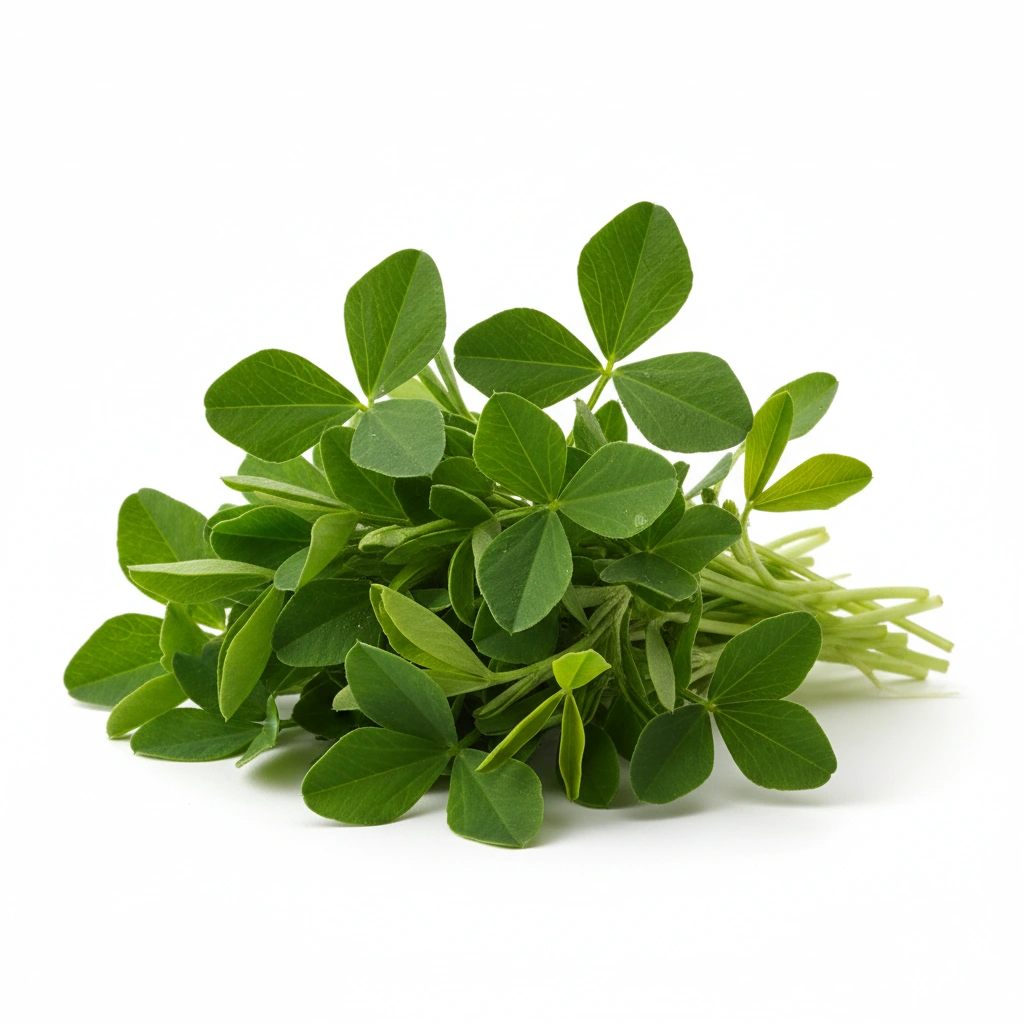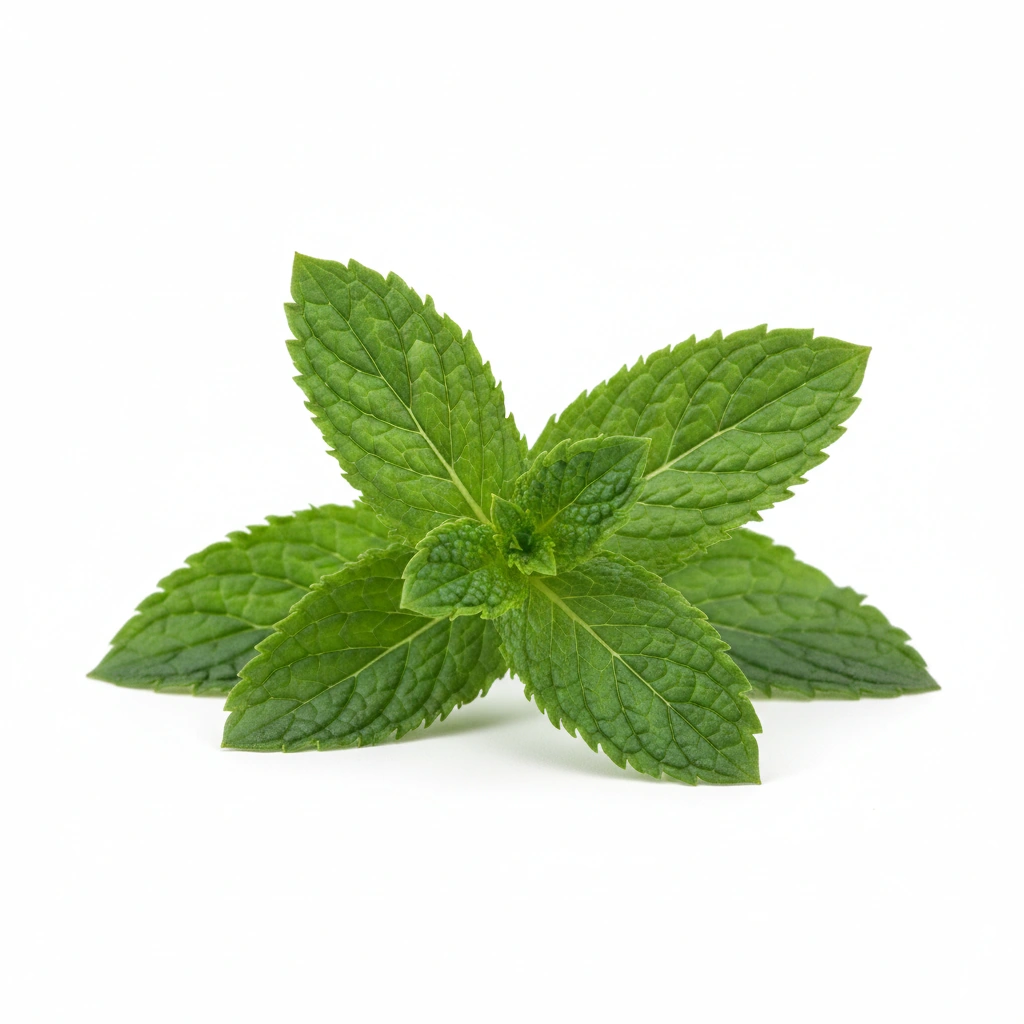
Note: This image is for visualization purposes only and represents the ingredient source or appearance. All ingredients are supplied in raw material form. This ingredient is available in Ingredients / Powders form.
SPEARMINT POWDER (MENTHA SPICATA)(LEAF)
Spearmint powder, derived from Mentha spicata leaves, offers a refreshing aroma and a wealth of bioactive compounds like R-(-)-carvone and rosmarinic acid. Renowned for its digestive and calming properties, it supports gastrointestinal comfort, provides antioxidant benefits, and may assist with hormonal balance. This versatile ingredient is ideal for formulations targeting overall wellness and gentle systemic support.
Key Benefits
- Supports healthy digestion and alleviates occasional gastrointestinal discomfort.
- Provides potent antioxidant protection against oxidative stress.
- Contributes to a sense of calm and relaxation without significant sedation.
- May assist in supporting hormonal balance, particularly in women.
Primary Uses
- Digestive health formulas (e.g., for bloating, indigestion)
- Stress relief and relaxation supplements
- Women's health and hormonal balance products
- Functional beverages and powdered drink mixes
- Flavoring agent in various supplement applications
Active Compounds
- R-(-)-Carvone
- Limonene
- Rosmarinic Acid
- Luteolin
- Flavonoids
- Phenolic acids
Detailed Description
Spearmint (Mentha spicata) is a perennial herb renowned for its distinct aroma and flavor, widely cultivated across temperate regions globally. Historically, it has been a staple in traditional medicine systems, including Ayurveda and European herbalism, primarily valued for its digestive and calming properties. The powder form, derived from the carefully dried and milled leaves, retains the plant's natural volatile oils and beneficial phytochemicals. This ingredient is characterized by its refreshing, slightly sweet, and less pungent menthol profile compared to peppermint, making it a versatile addition to various formulations. Its botanical classification places it within the Lamiaceae family, known for producing aromatic herbs rich in biologically active compounds. The harvesting and processing of spearmint leaves into powder are critical steps to ensure the preservation of its delicate flavor and therapeutic constituents, emphasizing quality control from farm to finished product.
Spearmint's health benefits are largely attributed to its rich profile of active compounds, predominantly monoterpenes like R-(-)-carvone and limonene, alongside flavonoids such as rosmarinic acid and luteolin. Research indicates that R-(-)-carvone, a major constituent, may contribute to its mild sedative effects and digestive support by potentially relaxing the smooth muscles of the gastrointestinal tract, as suggested by in vitro studies. Furthermore, spearmint exhibits significant antioxidant activity, with studies published in journals like *Food Chemistry* highlighting its capacity to scavenge free radicals, largely due to its phenolic acid content. Traditional use often points to its efficacy in alleviating occasional indigestion and bloating, which is supported by its carminative properties. Its potential to modulate hormonal balance, particularly in women, has also garnered scientific interest, with some clinical trials investigating its role in conditions like hirsutism by affecting androgen levels, though more research is ongoing.
Spearmint powder is a highly versatile ingredient in supplement formulations, often integrated into digestive health blends, relaxation formulas, and even cosmetic applications. It can be found in capsules, tablets, functional beverages, and powdered drink mixes. When selecting spearmint powder, manufacturers prioritize purity, potency, and standardized levels of key active compounds like carvone to ensure consistent efficacy. Adherence to Good Manufacturing Practices (GMP) and rigorous testing for contaminants such as heavy metals and pesticides are paramount for a high-quality ingredient. Scientific evidence, including a randomized controlled trial published in *Phytotherapy Research*, has explored spearmint tea's effects on free testosterone levels in women, demonstrating a potential role in hormonal support. Further research continues to explore its neuroprotective and anti-inflammatory properties, reinforcing its value beyond traditional uses. Its mild flavor also makes it an excellent masking agent in less palatable formulations.
You May Also Like
Discover more ingredients that complement your selection